
The emerging role of esketamine for chronic pain

Since the FDA approved esketamine (Spravato) for treatment-resistant depression and depressive symptoms in adults with MDD who had acute suicidal ideation in 2019, new information is emerging of it’s effect in patients with comorbid chronic pain and depression. At the annual American Psychiatric Association (APA) 2024 conference, a case report of sustained improvement of both pain and depression with esketamine and treatment of a 40-year-old female with fibromyalgia (1). Esketamine was started for treatment-resistant depression. As other patient’s, she tried many oral antidepressants and augmentation agents without improvement. With esketamine, her pain and depression improved within days of beginning esketamine. This patient had a fantastic response to esketamine with a 70-80% reduction in baseline pain with weekly treatment. If she extended the interval her pain reduction was 30-40%. “Our observations in this case and in our migraine patient noted above have led us to ask whether certain comorbid pain syndromes might favor earlier use of esketamine in some [treatment-resistant depression] patients,” presenters wrote in their poster. Cautious optimism vs therapeutic potential The overlap of chronic pain and depression is documented extensively. With nearly 60-80% of chronic pain suffers experiencing depression, treatment of BOTH pain and depression is important to long term recovery. Esketamine, like it’s parent molecular ketamine, has pain relieving properties. This is documented in multiple studies for a variety of medical issues. At Libertas Mind, we work within the FDA’s indication for treatment resistant depression for use but recognize the therapeutic potential of this treatment. The bridge is fairly simple. Esketamine is an excellent treatment for depression. Many patients with chronic pain have treatment resistant depression. We think esketamine will be helpful for depression, and could be very help for chronic pain complaints. References Fichtner, Christopher. Incident Pain Relief with Esketamine for Depression: Sustained Benefit in Fibromyalgia and Migraine. Paper presented at: American Psychiatric Association (APA) 2024 Annual Meeting. New York, NY. May 4-8, 2024. Zhang, Qw., Wang, X., Wang, Zy. et al. Low-dose esketamine improves acute postoperative pain in patients undergoing thoracoscopic surgery. APS 2, 5 (2024). https://doi.org/10.1007/s44254-023-00039-x FDA Alerts Health Care Professionals Of Potential Risks Associated With Compounded Ketamine Nasal Spray. US Food and Drug Administration. February 16, 2024. https://www.fda.gov/drugs/human-drug-compounding/fda-alerts-health-care-professionals-potential-risks-associated-compounded-ketamine-nasal-spray. Accessed May 5, 2024.
Unraveling the connection between chronic pain and depression – Pieces to Wellness Podcast
New treatment options for chronic pain and depression The Very kind staff at Pieces to Wellness interviewed Dr. Steindler about this clinic – Libertas Mind and his approach to treating depression, pain, PTSD and anxiety. Listen to learn more! Chronic pain is a significant problem worldwide that results in enormous suffering, their loved ones, and society. The experience of chronic pain more than a sensation, impacting our emotions, cognition and social life. The prevalence of depression in people with chronic pain is as high as 54 per cent and at least 35 per cent experience anxiety. Dr. Steindler speaks to Pieces to Wellness about this efforts to offer those suffering depression and chronic pain new treatment options at the forefront of medicin. He offers kettamine, Spravato (esketamine), neuromodulation like transcranial direct current and non invasive vagal nerve stimulation to treat patients with chronic pain and depression. Learn more by listening here! Listen to the Podcast
Spravato therapy
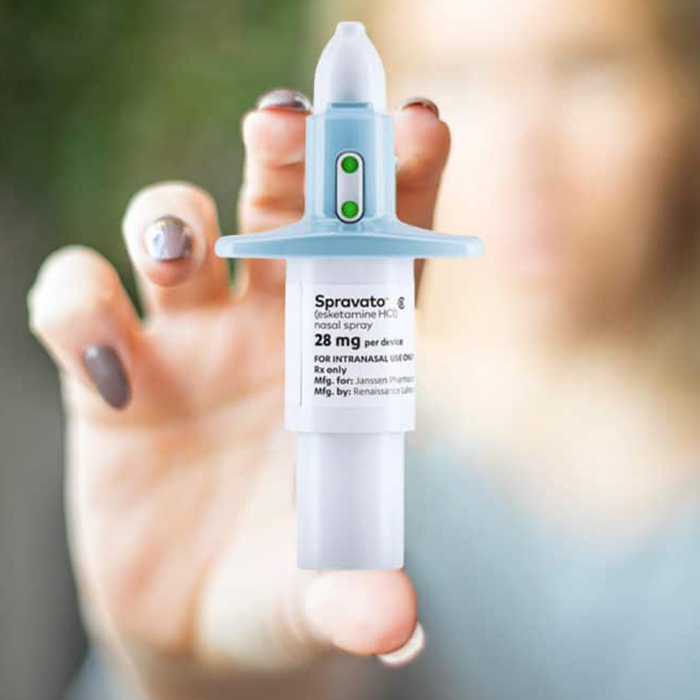
Spravato Therapy is a Game Changer : Are you a candidate? After nearly 2 decades of research, the benefits of ketamine for depression are universally recognized. As unique and transformative as ketamine is, it remains an out of pocket treatment and not covered by insurance. Spravato or esketamine is based on ketamine, and became available 5 years ago. Unlike ketamine, Spravato is FDA approved and covered under nearly every insurance carrier for the treatment of resistant depression and suicidality. Who should consider Spravato? Diagnosis of treatment-resistant depression (TRD) Before considering Spravato, we must establish that you have TRD. Typically, TRD is defined as a lack of adequate response to at least two different antidepressants of adequate dose and duration. Consult with our expert team Here at our practice, our providers can evaluate your medical history, current medications, and the severity of your symptoms to determine if Spravato is an option for you. To qualify for Spravato, you need to meet specific medical criteria: Uncontrolled hypertension, aneurysms, certain heart conditions, pregancy, and substance use disorders. If you have experienced any of these, we will discuss them during your consultation. Why do need new treatments for Depression? Real simple. What we currently have isn’t good enough. Easily 35% of all patients with depression are considered treatment resistant. Of course we need not just new options, but a new direction with better outcomes! Worse yet, since the Pandemic, there seems to be an increasing need for mental health providers because depression and anxiety are on the rise! What else is unique about Spavato? Spravato is the first FDA-approved nasal spray for Treatment-Resistant Depression (TRD). SPRAVATO® is a prescription medicine, used along with an antidepressant taken by mouth. The effects of Spravato therapy occur within weeks and NOT months like other antidepressants. SO you won’t have to suffer through months of side effects and depression before determining if the medicine works at all. Spravato can only be given in an office setting. How is it given in an office setting? Since esketamine is a derivative of ketamine which is an anesthetic, patients feel altered. This is why you will be monitored throughout your treatment and during your recovery. Each treatment is 2 hours long. The treatment schedule is divided into 2 parts – the start or Induction phase and then the Maintenance phase. Induction phase: Spravato is given initially twice a week for 4 weeks for your first month of treatment. Maintenance phase: Depending on your response, patients gradually decrease their treatment frequency from once a week, to once every 2 weeks, and even less as long as their mood stays improved. We have a whole blog about what to expect during treatment. Click here! How does Spravato compare? Because Spravato is administered in the office it’s a bigger commitment than other antidepressant medications. Are the results worth it? There have been many, many studies but we’ll reference the last big trial. Spravato vs conventional therapy – a medication called Seroquel. NBC news report October 2023, “Nasal esketamine works better than alternative for treatment-resistant depression” Spravato and Seroquel were given to patients with treatment-resistant depression in addition to their other antidepressants. Esketamine was more effective, nearly twice as effective than standard therapy. Contact us today! Libertas Mind Specializes in Spravato Treatment We offer evening and weekend hours to fit your schedule. Our friendly administrative staff is always available to answer your questions and address any concerns. Our goal is to support your recovery!
Preparing Yourself for a Stellate Ganglion Block for PTSD

The Before and Aftercare of a Stellate Ganglion Block If your considering a Stellate Ganglion Block (SGB), the procedure is meant to help with anxiety and PTSD. So, while the procedure only takes 10 minutes to complete, making a plan before and after treatment will dramatically improve your experience and potentially your response! Remember, this is about making things easier for you and ensuring the best outcome. Before you get a stellate ganglion block, there are some key steps you’ll need to take to make sure everything goes smoothly. Prep Guidelines for Stellate Ganglion blocks 1. Discuss any medications you’re taking with your doctor. You might need to pause or adjust some of them before the procedure. Notify the provider of any anxiety issues (about injections, procedures, etc.).You may receive an IV (to deliver anti-anxiety or anti-nausea medication, for example).You should plan to spend up to an hour at the clinic for the procedure and post-procedure evaluation. 2. Avoid caffeine, nicotine, or other stimulants for 24 hours before the procedure and afterwards as well. Remember, the procedure is to help anxiety, so fewer stimulants help the procedure be more successful. 3. Next, plan to have someone drive you home. This isn’t the time to be brave and drive yourself; safety first. 4. Dress comfortably for the procedure, as you’ll want to be as relaxed as possible. Remove any jewelry from around the treatment area (head and neck). 5. Plan for a quiet day. Hold off from exercising for the day, meaning no strenuous activities. 6. Listen to your body and take careful account fo how you feel. Do some journaling, Pay attention. You can shower or bathe afterwards. What you’ll see after the procedure 1. Some of these symptoms are guaranteed – a droopy eyelid, nasal congestion, or facial flushing are evidence that the SGB was blocked, and all of these resolve in 24 hours. 2. A cough , hoarse voice or trouble swallowing may occur and also resolves in 24 hours or less. Contact our Patient Navigator for more information at 518 – 672 – 3050!
Discover the Top 5 Safety Tips for Stellate Ganglion Blocks
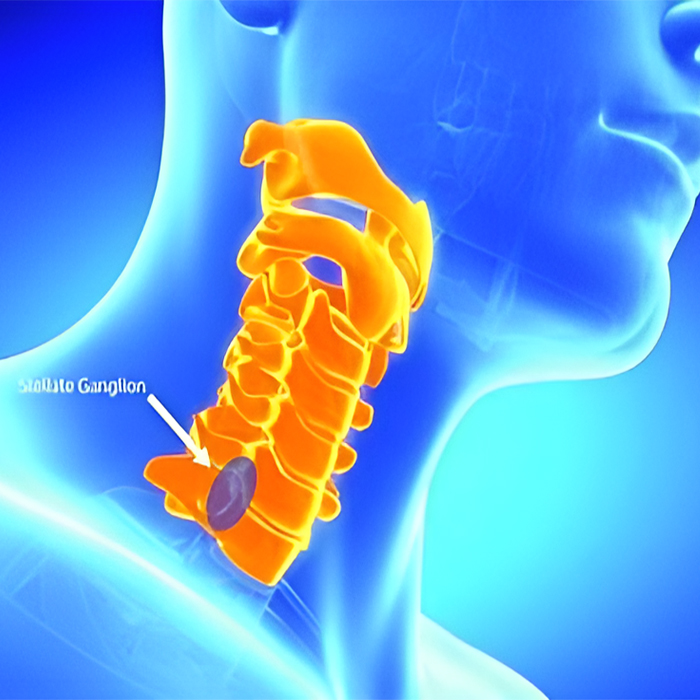
Stellate ganglion blocks are refining PTSD treatment? When you continue to experience intrusive thoughts, hypervigilance, and anxiety, months and even years atter an traumatic event – PTSD or Post Traumatic stress disorder become a diffcult disorder to treat. Essentially, portions of the brain – the amygdala – and nervous system– are stuck in threat mode and for some, despite medications and therapy, don’t improve. Radically different than other PTSD treatments If the symptoms of PTSD are like an orchestra where all the musicians are playing different tunes. A Stellate ganglion block is a procedure, an injection, that regulates the key symptoms of PTSD: hypervigilance and Anxiety. Patients finally get a break from the constant threat surveillance typical of PTSD. PTSD symptoms 1. Intrusive thoughts, Flashbacks & Nightmares 2. Hypervigilance-constant threat surveillance 3. Avoidance of triggering events 4. Anxiety, Depression & Isolation take a PTSD test How can an injection help PTSD? Reasonable question. We’ll try to answer the question simply as well. The fundamental question about PTSD is how can these symptoms be maintained for years after a traumatic event? An entire portion of you nervous system is dedicated to threat assessment. We’ve al heard of the flight or fight response which readies us to run from threat. PTSD is like being stuck in permanent flight or fight mode. The Stellate Ganglion is the key relay center for the flight of fight instinct. An injection of local anesthetic like novovaine can shut it down for weeks. Though it’s temporary, this allows a RESET and patients have long term benefit! The Procedure: What to Expect When considering a stellate ganglion block, you’ll first chat with our doctor and review your medical history. The procedure itself takes 10 minutes, recovery is another 30 minutes. The steps are straightforward. The doctor will then clean your neck where they’ll inject. You’ll get a local anesthetic to numb the area, so you won’t feel pain. After you’re numb, the doctor will use a special ultrasound to show where the Stellate ganglion is (sort of like a fetal ultrasound but of the neck) and carefully insert a thin needle. The ultrasound shows the needle in real time and lets the doctors guide it towards the stellate ganglion. Once the needle is in the right spot, they’ll inject numbing medicine. All in – procedure and recovery take 40 minutes. Nothing’s risk free, so what are the risks? If you have it done with ultrasound, the risks are minimial. Like all medical procedures, it’s got its risks and side effects. Because the Stellate ganglion has connections to nerves that supply the face. If it is performed correctly, you will have a temporary Horner syndrome: flushing the face, droopy eyelid and maybe a hoarse voice. First off, you might feel a bit hoarse or get a droopy eyelid temporarily. This resolves within 4 hours. Uncommonly, you could have a seizure if the local anesthetic accidentally goes into a blood vessel. And like with any time you break the skin, infection’s a possibility. Are Stellate Ganglion blocks a game changer? The most recent studies show it to be remarkably effect with almost 70%of patient improving! The key to success is ultrasound guidance and an experienced provider is performing an SGB for PTSD. Recovery is possible! Yes, having an injection when your already nervous isn’t easy. But, when other treatments haven’t worked, an SGB may succeed. The effects can vary, lasting for months, giving patients a much-needed break from their symptoms. About Libertas Mind Libertas Mind is a clinic offering interventional treatments for mental health and specializes in stellate ganglion blocks for PTSD. Dr. Steindler is a double-board Pain medicine and Anesthesiologist physician with 10 years of expertise in ultrasound-guided procedures and stellate ganglion blocks for PTSD. If you or a loved one may benefit from PTSD treatment don’t hesitate to get in touch with us at 518 – 672 – 3050. Click here to learn more about stellate ganglion blocks for ptsd, anxiety and depression
Achieve Superior Results today for Your Depression with Spravato Nasal Spray
Why Spravato® The STAR*D trial demonstrated that the more antidepressants a patient trial’s the less likely they are to respond overall. By the point a patient tries 3 antidepressant’s the remission rate is only about 15% with another treatment trial. Of the patient’s who respond remit at level 3 of 4, 60-70% will relapse within 6 months. How effective is Esketamine in this population? There have been multiple phase 3 studies showing esketamine is effective for treatment resistant depression. 65% of participants achieved a 50% or greater decrease in MADRS score. 32% of participants achieved a MADRS total score of 10 or less on day 74, which suggests no-to-mild depression. The most recent study – SUSTAIN-3 followed the response of patients with TRD treated with esketamine plus an oral antidepressant for 31.5 months. During this time, the mean Montgomery–Åsberg Depression Rating Scale (MADRS) total score decreased during induction, as well as during optimization/maintenance with 35.6% and 46.1% of participants in remission (MADRS total score ≤12) at induction and optimization/maintenance endpoints, respectively. The response actually became better with time. No new safety signal was identified during long-term treatment (up to 4.5 years) using intermittent-dosed esketamine in conjunction with daily antidepressant. Lorem ipsum dolor sit amet, consectetur adipiscing elit. Ut elit tellus, luctus nec ullamcorper mattis, pulvinar dapibus leo.Lorem ipsum dolor sit amet consectetur adipiscing elit dolor John Doe Tweet What to know (12 essentials of Esketamine) 1) Esketamine nasal spray (Spravato®) is the only FDA-approved ketamine-based depression treatment. Esketamine is the S-isomer of ketamine. 2) Esketamine, like ketamine, has an entirely unique mechanism of action partially based on N-methyl-D-aspartate (NMDA) glutamate receptor antagonist and presynaptic increases in glutamate. 3) It acts rapidly without side effects of other antidepressants like weight gain or sexual disfunction. 4) Esketamine is FDA-approved for treatment-resistant depression (TRD) and depressive symptoms in adults with major depressive disorder (MDD) with acute suicidal ideation. 5) Esketamine or Spravato® must be used in conjunction with an oral antidepressant. It does not replace anyother medication and is not considered solo therapy! 6) Spravato® is only available at qualified sites under a Risk Evaluation and Mitigation Strategy (REMS) Program overseen by the DEA. 7) Spravato® has widespread coverage by most insurances following: -two failed antidepressant trials in combo with -two augmentive agents 8) Spravato® is self adininstered by the patient in an outpatient setting. 9) The average treatment duration is 2 hours. A typical treatment schedule is: • Phase 1 Induction: 2 treatments a week for 4 weeks • Phase 2 Transition: 1 treatment a week for 4 weeks • Phase 3 Maintenance: 1 treatment every 1-2 weeks 10) The most common side effect is dissociation (73%) occurrring more frequently than sedation (22%) with most symptoms resolving by 2 hours. Patients were reported to be ready to leave approximately 90 minutes after dosing. 11) Who shouldn’t have esketamine? • History of abnormal blood vessels, such as an Arteriovenous Malformation or Aneurysm • History of hyper-sensitivity to esketamine or ketamine • High blood pressure that is not currently under control with medications or lifestyle management When to refer? The majority of medical policies from diffeent carriers ask for a patient to trial 3 antidepressants in 2 or more classes, and 2 augmentive agents. It’s striking that Spravato, even in the TRD population, has efficacy. If your patient hasn’t improved with 3 or more medications, please consider Spravato®. The reponse was stronger wtih continued treatment. SUSTAIN-3 study
Integrative therapy and Ketamine

While the use of ketamine is considered experimental by the FDA for the treatment of mood disorders including depression, our knowledge is rapidly expanding! We have nearly 20 years and several large scale trials suggesting is a powerful and unique antidepressant!
Discover Spravato, A Specialized Nasal Spray for Resistant Depression
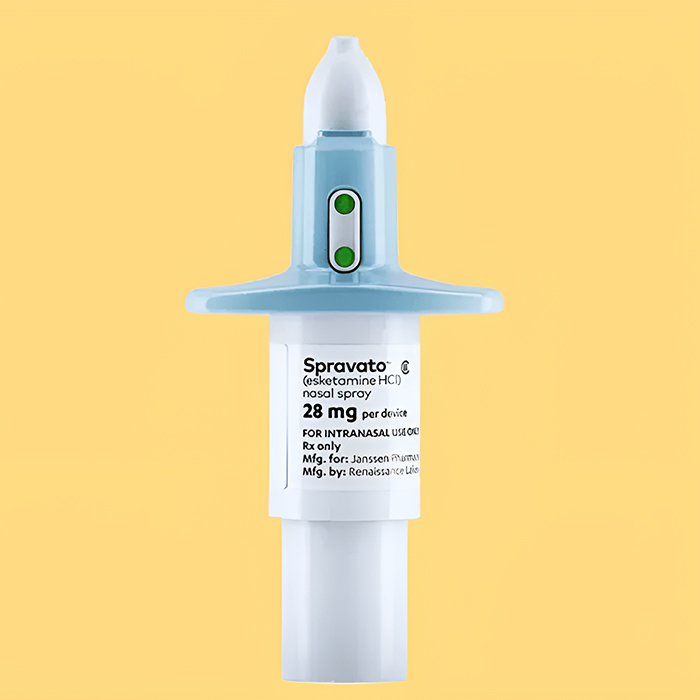
Spravato: The most unique antidepressant yet! Spravato or esketamine has only been available to patients since 2019. Since then, we’ve seen patients have remarkable improvement in their depression even after years of treatment with other medications. The FDA approved Spravato for treatment resistant patients, meaning for patient’s that have tried at least 2 or more medications. Spravato is a nasal spray, based on ketamine and can only be given in a doctors office. When other antidepressants fail, Spravato treatment is effective! Unfortunately, the more antidepressants you take without success,the less likely you’re going to respond. By the point a patient tries 3 antidepressants, the chance of remission (your depression is cured) rate is only about 15% with another treatment trial. Of the patients who improve to the point they are no longer clinically depressed after trying 3 or 4 medications, there is a 60-70% chance they will relapse within 6 months – meaning their depression will return. How effective is Spravato (Esketamine) augmentation? Spravato is an augmentive – meaning it it added to a convential antidepressant and improves the outcomes overall. Because Spravato was released in 2019 our best data shows that if you respond to Spravato, then that response will be maintained at 4 years. Unlike other antidepressants where patients grow tolerant and the effect seems to wane, Spravato remains effective! In fact, the response improved over time! Last thing – Spravato doesn’t have the typical side effects of other antidepressants. It can act rapidly within weeks. Find a Spravato treatment center. Libertas Mind specializes in Spavato therapy. Spravato is a newer medication – a cousin of ketamine and so different that many mental health providers aren’t comfortable. Libertas Mind is a registered treatment center and specializes in Spravato treatment. If you or a loved one suffer’s from treatment resistant depression, we do accept self referrals. Please speak with your provider’s about Spravato as an option for treatment resistant depression. More information about spravato Request a consult
New PTSD treatment: Learn about Stellate Ganglion Blocks
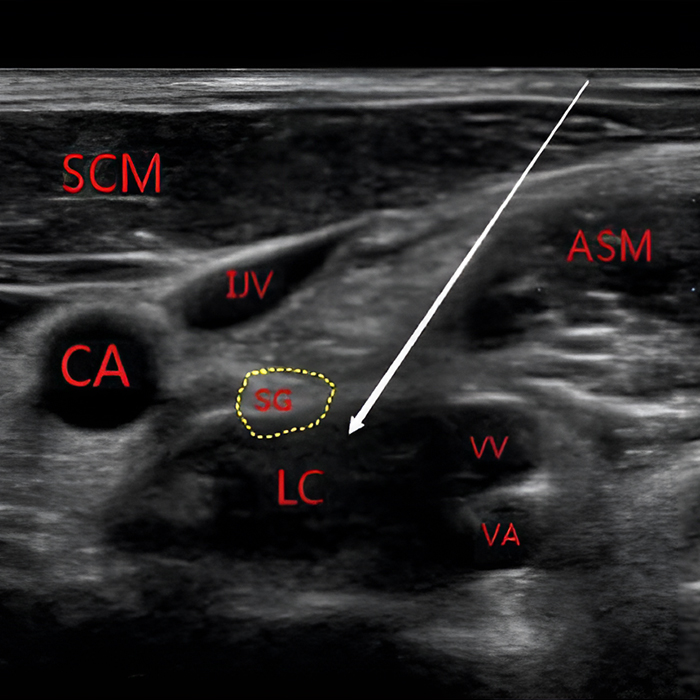
A Stellate ganglion block is more complex than other nerve injections 1. Ultrasound guidance is a must! Stellate gangion procedural ultrasound of the neck Any job is easier with the right tools! In regards to stelate ganglion blocks, ultrasound guidance is a must. If your not sure what ultrasound is, imagine being able to see all the critical anatomy (eg, vertebral artery, internal carotid artery, inferior thyroid artery, and spinal nerves) before you start a procedure. That’s what ultrasound can do – all the above anatomy can be visualized and avoided with some pre-procedure planning. With Color flow, even small blood vessels can be seen. If your provider isn’t comfortable with ultrasound – keep looking! No sense wasting time if they can’t get past step 1 Any job is easier with the right tools! In regards to stelate ganglion blocks, ultrasound guidance is a must. If your not sure what ultrasound is, imagine being able to see all the critical anatomy (eg, vertebral artery, internal carotid artery, inferior thyroid artery, and spinal nerves) before you start a procedure. That’s what ultrasound can do – all the above anatomy can be visualized and avoided with some pre-procedure planning. With Color flow, even small blood vessels can be seen. If your provider isn’t comfortable with ultrasound – keep looking! No sense wasting time if they can’t get past step 1 Stellate gangion procedural ultrasound of the neck CA is Carotid artery, LC is Longissimus coli, IJV is internal jugular veini. The circle is the location of the stellate ganglion. CA is Carotid artery, LC is Longissimus coli, IJV is internal jugular vein. The circle is the location of the stellate ganglion. 2. Ask if their willing to consider bilateral injection on the same day. If they are – don’t call them back! Sure you could save time for a patient and maybe save them an extra trip to the office if another injection is needed. Careful – neuroanatomy doesn’t care about good intentions! Only 1 side should be done at a time. If a provider is willing to perform bilateral stellate ganglion blocks, they may have good intentions, but the risk is significantly higher. Why? Though rare, if local anesthetic spreads to the recurrent laryngeal nerve, the result is a temporary vocal cord paralysis. We each have two vocal cords that protect our airway. If both sides are compromised, advanced airway skills are needed to protect you from potentially aspirating until the local anesthetic wears off (could be hours!). Sure you could save time for a patient and maybe save them an extra trip to the office if another injection is needed. Careful – neuroanatomy doesn’t care about good intentions! Only 1 side should be done at a time. If a provider is willing to perform bilateral stellate ganglion blocks, they may have good intentions, but the risk is significantly higher. Why? Though rare, if local anesthetic spreads to the recurrent laryngeal nerve, the result is a temporary vocal cord paralysis. We each have two vocal cords that protect our airway. If both sides are compromised, advanced airway skills are needed to protect you from potentially aspirating until the local anesthetic wears off (could be hours!). 3. Do you understand what a Horner’s syndrome is? At Libertas Mind we make sure patients are informed. Due dilligence and informed consent don’t mean the same thing to all providers. A SGB has tremendous physiological impact and one of the few procedures we document success by causing an intentional side effect. If done correctly, a SGB lead’s to temporary Horner’s syndrome. Horner syndrome (Horner’s syndrome or oculosympathetic paresis) results from an interruption of the sympathetic nerve supply to the eye and is characterized by the classic triad of miosis (ie, constricted pupil), partial ptosis, and loss of hemifacial sweating (ie, anhidrosis), as well as enophthalmos (sinking of the eyeball into the bony cavity that protects the eye). At Libertas Mind we make sure patients are informed. Due dilligence and informed consent don’t mean the same thing to all providers. A SGB has tremendous physiological impact and one of the few procedures we document success by causing an intentional side effect. If done correctly, a SGB lead’s to temporary Horner’s syndrome. Horner syndrome (Horner’s syndrome or oculosympathetic paresis) results from an interruption of the sympathetic nerve supply to the eye and is characterized by the classic triad of miosis (ie, constricted pupil), partial ptosis, and loss of hemifacial sweating (ie, anhidrosis), as well as enophthalmos (sinking of the eyeball into the bony cavity that protects the eye). 4. What equipment should be there to assure your safety? Safety is built on redundancy. While complications from SGB are rare, a pre procedure IV should be started. Your vital signs should be monitored during the procedure. Simple enough but judging from the many videos posted online of SGB’s, many providers have forgot this! Safety is built on redundancy. While complications from SGB are rare, a pre procedure IV should be started. Your vital signs should be monitored during the procedure. Simple enough but judging from the many videos posted online of SGB’s, many providers have forgot this! 5. What makes a physician qualified to perform a Stellate ganglion block? The procedure has been around for approximately 100 years and is typically performed by an anesthesiologist or specialist in peripheral nerve injections. Some anesthesiologists perform hundreds of nerve injections during their career, while pain specialists may perform thousands. The procedure has been around for approximately 100 years and is typically performed by an anesthesiologist or specialist in peripheral nerve injections. Some anesthesiologists perform hundreds of nerve injections during their career, while pain specialists may perform thousands. I’m sure this post will help you on your way to wellness. Seek out the most qualified provider to help you. Any questions, contact us at Libertas Mind. About Dr. Steindler and Libertas Mind Dr. Steinder is a double board certified phsyician in pain medicine, and anesthesiology – and one of small number of
Long COVID, anosmia and the promise of stellate ganglion blocks

Loss of smell or anosmia is so common with COVID-19, it’s part of the diagnostic criteria. Parosmia, or diminished smell and taste, is even more common. Up to 7% of the patients still experience smell and taste disturbances more than 12 months after the onset. Why is there long term impact on smell after COVID resolves? It was presumed the COVID affected smell by either directly impacting sense nerves or creating inflammation in areas of the brain associated with smell. Recently, researchers found olfactory neurons don’t have the critical surface receptor, angiotensin-converting enzyme 2 or ACE2, that lets COVID-19 into cells. The answer probably lays with supportive cells in the nasal epithelium – sustentacular cells and basal cell – which support and nourish olfactory nerves. Unlike olfactory neurons, they are infected by COVID 19 because they express the ACE2 cell receptor and die during COVID infection. Treatment options for anosmia Traditionally, intranasal steroids and smell “retraining” therapies are offered. 2nd tier is intranasal vitamin A. Not many options after that have been rigorously examined. A study examining omega 3 fatty acid supplementation did not show benefit, while intranasal insulin showed positive results. This exploratory study showed improvement up to 4 weeks. A promising new option – Stellate ganglion neve block for anosmia There have been dramatic case reports and popular news articles showing the effect of stellate ganglion blocks on restoring sense of smell. While we await the results of a clinical trial yet to be published, a recent study sheds new light. Canadian physicians surveyed different treatment options for anosmia after COVID infection– nasal steroids, olfactory retraining, and stellate ganglion blocks. All results were self-reported by patients. 209 patients responded and researchers stated, “Despite the lower percentage of participants who underwent a stellate ganglion block (16%) this treatment presented the highest percentage of reported improvement (45%), followed by oral steroids (12%) and smell training (10%). “ They concluded that stellate ganglion blocks was the most successful treatment option. Considering treatment with Stellate ganglion nerve blocks? Before you consider a stellate ganglion block or SGB, you should see an ENT – Ear, nose and throat doctor to make sure there is no other reason for your loss of smell. Stellate ganglion blocks are gaining traction as a promising therapy. While hopeful, more work should be done. However, anosmia and parosmia aren’t just inconveniences! The lack of smell and altered taste has serious effects on mood and health including weight loss, and depression. Because a stellate nerve block is a low-risk injection under ultrasound guidance, were proud to offer this treatment! Interested in learning more? Dr. Steindler is an experienced, double board certified specialist in anesthesia and pain medicine. He teaches this and other advanced pain techiques to other physicians. Learn more about stellate ganglion blocks REquest a consult References Olfactory dysfunction incidence and resolution amongst 608 patients with COVID-19 infection. Am J Otolaryngol. 2023 Sep-Oct;44(5):103962 Omega-3 Fatty Acid Supplementation for the Treatment of Persistent COVID-Related Olfactory Dysfunction. Am J Rhinol Allergy. 2023 Sep;37(5):531-540. doi: 10.1177/19458924231174799. Epub 2023 Jun 1. Intranasal insulin for COVID-19-related smell loss. Eur Arch Otorhinolaryngol. 2023 Aug 22. doi: 10.1007/s00405-023-08176-6. Epub ahead of print. Sowerby, L., Almubarak, Z., Biadsee, A., Rocha, T., & Hopkins, C. (2023). Coronavirus disease 2019 related parosmia: An exploratory survey of demographics and treatment strategies. The Journal of Laryngology & Otology, 1-5.
Ketamine, Health coaching and Functional medicine
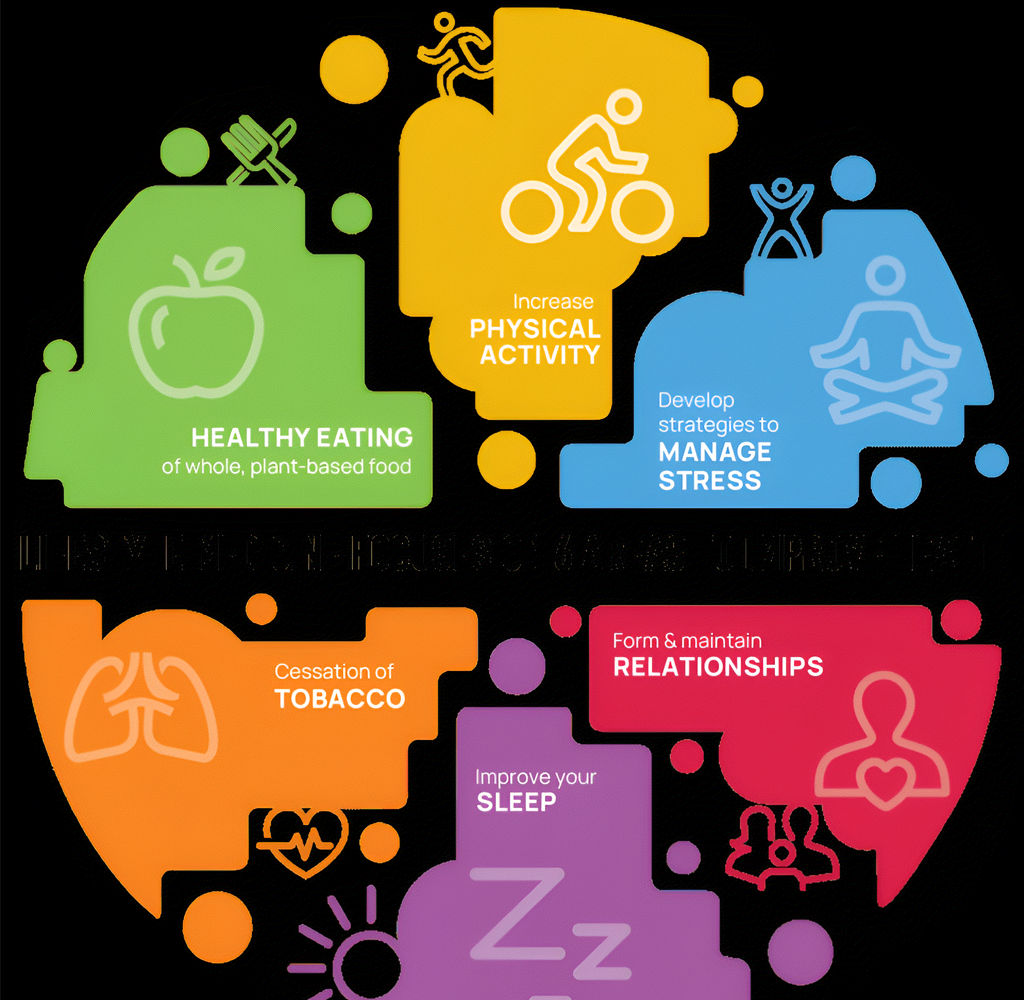
Making Ketamine therapy better with health coaching If your thinking of ketamine therapy, you should know ketamine is not the destination therapy, it opens the door to recovery. As we’ve stated before, ketamine is powerul and unique therapy – but why not not examine all the barriers to wellness? Many diseases are caused or exacerbated by lifestyle, and can often be prevented, arrested, or even reversed! This is referred to as Integrative medicine. Mental health can be similarly impacted by physical activity, diet, and other chronic diseases. Libertas Mind takes an evidence-based approach to help patients regain mental wellness with individualized metabolic testing, nutritional therapies, and dietary interventions. We look at each component of a healthy life: Diet and nutrition, physical activity, restorative sleep, stress management, avoidance of risky substances, activity/movement, and positive social connections! We offer a program providing 1:1 health coaching andworkshops focusing on these pillars of foundational health. Libertas Mind embraces each of these pillars as integral to mental health and wellness. learn more about ketamine contact us for a consult see our other posts
Ketamine

Ketamine for Depression, Anxiety, & PTSD Serving Albany, Saratago county and beyond How does Ketamine work? Ketamine is unlike any other antidepressant, providing relief within hours or days after an infusion and has no long-term effects on appetite, libido, or energy levels. Nearly 70% of patients experience fast and robust relief from Ketamine Infusion Therapy. While the use of ketamine is considered experimental by the FDA for the treatment of mood disorders including depression, our knowledge is rapidly expanding! We have nearly 20 years and several large scale trials suggesting is a powerful and unique antidepressant! How does Ketamine work? By giving our overworked brains a break Ketamine acts as a reboot for your brain and helps your brain create new neurons and pathways. (Which is a really good thing.) A series of low dose infusions of ketamine (at sub-anesthetic doses) lets your brain to rest, reset, and grow new connections, often providing significant relief. Typically, a series of six infusions, plus periodic boosters, will offer relief for one to three months. Is Ketamine safe? YOUR SAFETY AND COMFORT ARE OUR TOP PRIORITY Yes. Ketamine is a safe anesthetic and is listed as an essential medication by the World Health Organization. More than 70 peer-reviewed scientific studies have found that Ketamine Infusion Therapy is a safe and effective treatment for chronic mental health conditions including depression, anxiety, post-traumatic stress disorder (PTSD), and addiction. A board-certified anesthesiologist, highly qualified to administer and care for you during your infusion will monitor your vital signs before, during your treatment, and before you leave. After the infusion, a responsible party must drive you home. The responsible party must be present before the infusion begins. Following treatment, you may feel tired for several hours. FREQUENTLY ASKED QUESTIONS Our Infusion protocols Your safety and success are our priority. Libertas embraces a team approach to your health. Our protocols are evidence based and up to date. You are independently evaluated by a medical and psychiatric provider. You are also paired with a Psychotherapist and/or Health coach for behavioral therapy. These are the core members of your team. Patients must agree to have a responsible party present before the infusion starts who will drive them home. What should I expect during an infusion Ketamine given at low doses induces a “dissociative” or psychedelic state where you may feel dizzy, euphoric, or intoxicated. This feeling goes away within 30 minutes of ending the infusion. Most patients receive six infusions over a period of two to three weeks. While the infusion itself may last 40 or 60 minutes, a typical visit lasts around two hours. During the infusion, you will be seated in a comfortable chair in a private room. We will provide you with a blanket, eye mask, and noise canceling headphones. The nurse will begin your infusion and invite you to relax. Most patients receive six infusions over a period of two to three weeks. Typically, periodic booster infusions are needed. This series provides most patients relief from symptoms of depression for 4-12 weeks. The importance of behavioral therapy Libertas Mind wants your treatment with ketamine to be as healing and transformative as possible. Ketamine is a powerful catalyst for change, but without careful guidance, the therapeutic effect is difficult to sustain. Behavioral therapy plus ketamine, however, not only sets the goals for long-term change, but helps you identify the obstacles preventing growth. We believe therapy is very important to the process, integral in fact to attaining the best outcome. As a policy, every patient considering ketamine treatment with Libertas Mind must be engaged ketamine-assisted psychotherapy. If you do not currently have a therapist, you can see one of our own. We understand there is a shortage of mental health care providers right now. We also have health coaches on our team to provide further support before, during and after treatments. Who should not receive Ketamine infusion treatments? Patients who are actively abusing drugs or alcohol are excluded as candidates for ketamine infusions. A urine toxicology screening is required. Women who are pregnant Patients with uncontrolled hypertension (high blood pressure) Patients with acute cardiovascular disease Patients with recent concussions Any patient who had an unexpected adverse reaction with Ketamine in the past Patients with conditions that cause an increase in their intracranial pressure Patients with schizophrenia Is Ketamine treatment covered by insurance? No. The use of ketamine in treating mood disorders or pain is still considered to be an “off-label” despite the information in the literature and will not be reimbursed by any insurance carriers. However, the therapy does fall under the umbrella of a medical expense and we are able to accept payment from HSA or FSA account
Spravato (Esketamine) FDA approved for treatment resistant depression

Why is SPRAVATO™ unique? SPRAVATO™ or esketamine is the only FDA approved version of ketamine meant for treatment resistant depression (TRD). If you’ve struggled with depression and tried two or more antidepressants without relief, Spravato may be a good choice for you. Below are some of the key points. Spravato is a nasal spray It’s self administered It can only be taken in an office setting Spravato has to be taken with an oral antidepressant What happens when you take Spravato? Because Spravato or esketamine classified by the FDA as a Schedule III drug, like ketamine, itcan cause a number of symptoms listed below. It’s important to have a private room. These side effects typically last 30 -45 m minutes and resolve entirely before your discharged from the clinic. Spravato can cause the following: Dizziness Nausea Spinning sensation Reduced sense of touch and sensation Anxiety Lack of energy Vomiting How long does Spravato™ take to work? Surprisingly quickly within weeks rather than months. Sometimes symptoms improve within 24 hours after your first treatment. Patients take Spravato™ twice a week for the first month. During the second month, patients take it once a week. After that, patients will take it once a week or once every two weeks. How effective is Spravato™? Spravato™ is meant to be used with an oral antidepressant for adults with treatment-resistant depression. In patients who have already tried 3 or more antidepressants the chances of remission (where th symptoms of depression dramatically decrease) is very low – only 15%. Even in this population, Spravato is effective. Research shows that adults who took Spravato along with an oral antidepressant for four weeks had a 50% reduction of depressive symptoms than compared to those who only took antidepressants. What are the requirements for Spravato treatment? Must have a diagnosis of treatment resistant depression or Major Depressive with Suicidal Ideation Must be taking at least one oral antidepressant medication Must be in the care of an outpatient mental health provider The REMS Program requires patients monitoring for at least 2 hours following Spravato administration. Appointments typically take 2.5 hours. To learn more or to schedule an appointment, schedule a consult. More information about spravato request a consult References Meaningful Change in Depression Symptoms Assessed with the Patient Health Questionnaire (PHQ-9) and Montgomery-Åsberg Depression Rating Scale (MADRS) Among Patients with Treatment Resistant Depression in Two, Randomized, Double-blind, Active-controlled Trials of Esketamine Nasal Spray Combined With a New Oral Antidepressant. J Affect Disord. 2021 Feb 15;281:767-775
Ketamine assisted psychotherapy – fundamental to your Ketamine therapy

Finding long term success by combining ketamine with KAP – ketamine assisted psychotherapy Integration Integration is fundamental to our treatment. We’re not just an infusion center – were an integrative mental health facility offering longer term change to our patients. While Ketamine, Spravato and Stellate ganglion blocks are powerful tools to unlock the subconscious and past trauma, it takes guidance and support to get long-term benefit. There is tremendous interest in trying to find better, more innovative ways of extending the antidepressant effect of these therapies. Interesting adjuvant medications taken before and after ketamine infusions may significantly extend the duration of benefit. Some of these drugs include dextromethorphan, D-cycloserine, and rapamycin. There are even devices – that subtlely modulatie vagal tone via gentle electrical stimulation. Simpler, safer, easily available.. The best results thus far are combined cognitive behavioral therapy which is also the simlest, safest and most easily available. Libertas Mind partners with Psychotherapists and Health Coaches pre infusion to set the intentions and goals for your therapy! learn more about ketamine contact libertas mind explore our treatments
Expanding use of Stellate ganglion blocks as a treatment for Depression

A possible new paradigmn in the treatment of depression – Stellate ganglion blocks While the data for Stellate Ganglion blocks (SGB) in treating PTSD is very promising, there may be potential benefits for depression as well. With nearly one-third of patients with major depressive disorder being resistant to available antidepressants, there is a need to develop new treatments for this population. Stellate ganglion block is a procedure used to block sympathetic input to the brain and calm any overactivty. In march of 2023, a pilot study called LIFT-MOOD or Local Injection For Treating Mood Disorders study was completed to investigate the effects of SGB on treating depression. A double-blind, randomized, placebo-controlled pilot trial was conducted with 10 participants randomized 1:1 to either active treatment or placebo (saline) group. This is the first randomized controlled trial (RCT) to date examining the use of SGB in depression. Each participant was offered 2 right sided SGB blocks and their response monitored. What’s the takeaway? The primary goal of the study was to assess the feasibility of using this approach. The authors looked at recruitment, withdrawal, adherence, missing data, and adverse events. This is a fascinating study because it represents a fundamental shift towards viewing depression as a problem in brain connectivity, and the role of the stellate ganglion in mental health. This is also the first study (versus anecdotal report) ever to look at a peripheral nerve block as a treatment for depression. The sample size of the study, a total of 10 subjects, was too low to try and make statements about efficacy. We look forward to a bigger trial with more patients. This pilot trial demonstrated a reasonable recruitment rate and tolerability. Click here to see the article and learn more!
