Ketamine-Assisted Therapy for Depression, Anxiety, and PTSD
Ketamine opens a window for change. Psychotherapy helps you use it. Libertas Mind combines ketamine treatment with preparation, integration, and support groups at our clinic in Clifton Park, NY, serving Albany, Saratoga County, and beyond.
What Is
Ketamine-Assisted Therapy?
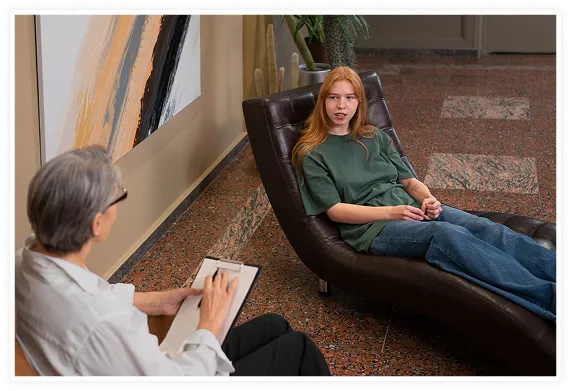
Ketamine-assisted psychotherapy (KAP) pairs ketamine treatment with guided therapy before, during, and after your course of care. Ketamine is a powerful catalyst for change, but without guidance the therapeutic effect wanes. Adding behavioral therapy extends the positive impact for several months.
At Libertas Mind, integration is central to treatment. We are an integrative mental health clinic focused on longer-term change, and ketamine-based treatments are often most effective when combined with therapy rather than used on their own.

How Ketamine
Works: Neuroplasticity
Stress and trauma change brain chemistry. Ketamine acts on the brain’s glutamate system and NMDA receptors to rapidly increase neuroplasticity, the brain’s capacity to form new neural connections, reorganize existing pathways, and adapt.
Neuroplasticity shapes learning, memory, and emotional regulation. It is how we recover from stress and integrate new ways of thinking. Unlike traditional medications, ketamine promotes rapid changes in brain connectivity and has rapid-acting antidepressant effects.
That rapid shift creates a temporary window when the brain is more open to change and emotional flexibility. KAP is built around using that window well.
What We Treat With Ketamine Therapy
Ketamine is used for patients who have not found relief from typical treatments.
Ketamine is FDA-approved for anesthesia. Its use for mood disorders is off-label and considered investigational by the FDA, though many large-scale trials have been performed.
Treatment-
resistant depression
Ketamine has nearly 20 years of research showing benefit for depression, even when other therapies fail. The most is known about ketamine for treatment-resistant depression.
PTSD
and trauma
PTSD develops after experiencing or witnessing a traumatic event and is common in first responders and veterans. Several studies show ketamine can help depression that comes with PTSD.
Anxiety
For generalized anxiety disorder, panic disorder, and social anxiety disorder, we find ketamine useful for breaking through previous barriers to therapy.
Chronic pain
Ketamine has historically been used to treat chronic pain. We offer a thorough medical evaluation through Libertas Interventional Pain, with attention to your emotional well-being.
Palliative
and end-of-life care
Ketamine can treat depression and pain at the same time. We can work with your palliative care team on pain and symptom management.
How Ketamine-Assisted Therapy Works at Libertas Mind
01
Evaluation.
Your first visit includes both a medical and a psychiatric evaluation, so you know exactly what to expect before treatment begins.
02
Preparation
We partner with psychotherapists and health coaches before your first session to set intentions and goals for therapy. Individual psychotherapy is available before you start.
03
Treatment
For mood disorders, a typical course is six sessions, usually two a week. Each visit lasts about 90 minutes. For pain, sessions run about two to four hours.
04
Integration
After sessions, your therapist helps you integrate the experience during the neuroplastic window. Our support groups let you learn from patients further along in treatment and ask questions in a structured setting.
Why Therapy Makes
Ketamine Treatment Work Better
- Clear goals. You define your aims before treatment and work with them afterward.
- Steady attendance. Encouragement and validation help you show up for every session.
- Realistic expectations. Recovery time varies. Group sessions show what long-term patients have achieved.
- More ways to reach your team. You can share concerns, mood changes, or side effects with more than one member of the clinic.
So far, the best results have come from pairing ketamine with cognitive behavioral therapy, which is also the simplest, safest, and most available option.
Ketamine
Insurance Coverage
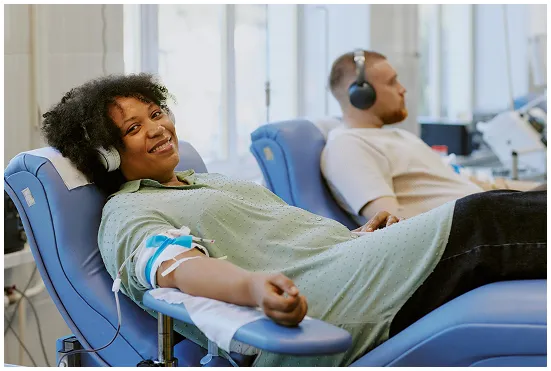
Ketamine infusions for mood or pain in an outpatient center are not covered by most insurance carriers. We can bill your insurance for the initial consultation and any follow-up consultations.
Without insurance, the initial consult is $225 and follow-up consults are $150. We offer discounted services to frontline workers, teachers, civil service workers, veterans, and providers through our Cares Program. Financing is available through Advance Care (800-432-9470).
If you have treatment-resistant depression and want an insurance-covered option, ask us about Spravato-assisted therapy.