Ketamine Therapy
Serving Albany, Saratoga county and beyond

What you need to know about Ketamine therapy at Libertas Mind
The good news is that ketamine is effective in multiple studies for depression, anxiety, and PTSD.
There is now 2 decades of research into ketamine, a FDA approved anesthetic, as an off label augmentive treatment for mood disorders.
The bad news – few insurances will cover ketamine so it remains a cash based or out of pocket expense for most patients. The reasons are complex. Essentially ketamine is a generic drug since the 1970’s and there is no commercial interest to promote, or develop a medication you cannot own.
Ketamine has evolved over the last 2 decades and new methods are bringing the cost down! Learn more about the different options below.
We have an entire page Ketamine Therapy for Depression, Anxiety & PTSD devoted to the science of neuroplasticity and treatment of depression if you’d like a deeper dive. Ketamine is an effective treatment, but not a cure. Good results require maintenance in the form of a booster or repeat treatments every 1 to 3 months maintain the effect.
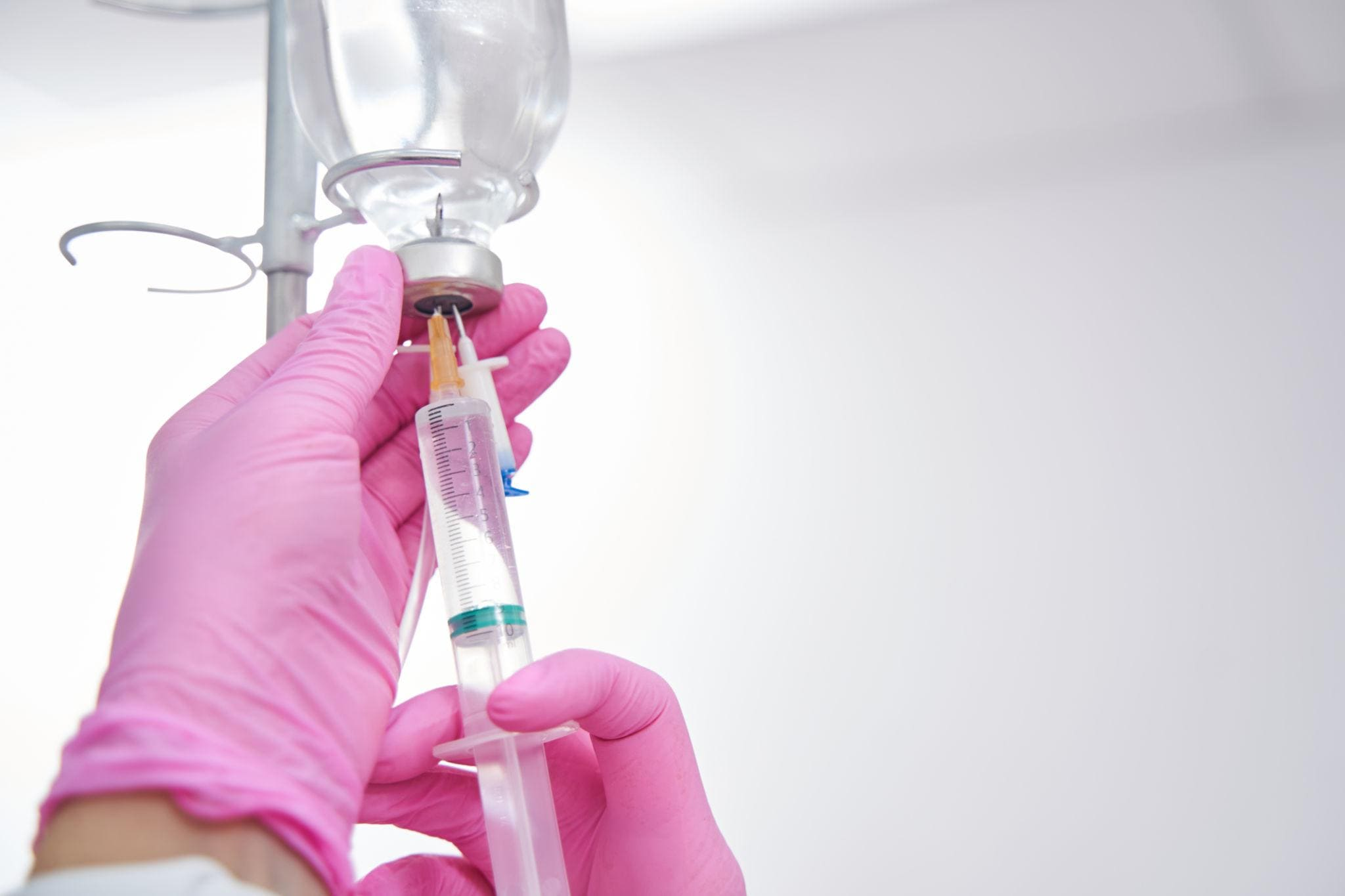
We are pioneering low cost options for administering ketamine that are effective and safe
Practical and Transparent treatment for long term results
Most insurances do not cover ketamine therapy in an OUTPATIENT SETTING. We've considered the evidence and administer Ketamine therapy using less complex methods to lower the price.
Intranasal - $ 200 for each session
Subcutaneous injection - $ 300 for each session
Subcutaneous infusion - $ 400 for each session
Intravenous infusion- $ 450 for each session
Ketamine is a effective treatment for depression. IV infusions many be appropriate in some patients, and Subcutaneous a better option for others. What determines the difference? Bioavailability.
Bioavailability is the amount of drug that reaches the brain. We'll review the different routes.
Intravenous (IV) – direct administration into a vein.
Intramuscular Injection (IM) – injection into the muscle.
Subcutaneous Injection (IS) – injection under the skin but above the muscle
Intranasal – administration by inhaling a spray into the nostrils.
Sublingual – absorption through the membranes of the mouth.
Oral – ingestion through the digestive system as a pill or liquid
Suppository – rectal absorption
IV: Bio-Availability: 100% / Peak Effect: 1 min
IM: Bio-Availability: 93% / Peak Effect: 1 min
SC: Bio-Availability: 67% / Peak Effect: 5 min
Subcutaneous ketamine therapy represents an innovative advancement.
1-A subcutaneous administration delivers ketamine through a small injection under the skin, providing consistent therapeutic effects with enhanced patient comfort. No need for an IV.
2-There are multiple publications in the last 5 years demonstrating that ketamine administered subcutaneously is effective for depression.
3-Significant cost difference than IV- Why is SC less than IV? It' s much simpler to administer than IV.
Intravenous, Subcutaneous, and Intranasal are all effective for depression and pain. We are now personalizing ketamine therapy for the individual considering their body mass index, logistical concerns and financial resources.
Patient comfort and tolerability is key to a positive experience. Ketamine is a powerful drug and the route determines how quickly ketamine acts.
Intravenous ketamine is immediately bioavailable. While this sounds great - rapid onset of ketamine can be overwhelming. A slow onset minimizes negative side effects.
Subcutaneous is an easier, and gentler route of administration vs IV.
SC is more comfortable administration —a smaller needle compared to IV.
Intravenous administration may be more appropriate for someone with a body mass index less than 20, or has had ketamine treatment in the past.
Depends on the condition.
For Mood disorders - 6 sessions, usually 2 a week.
For Pain - 6 sessions, usually 2 a week. Each visit last about 1.5 hours. Really depends on the patient.
Patients typically require booster treatments to maintain a positive treatment effect.
Absolutely. You cannot drive yourself home after treatment
Depending on route of administration, IV is usually 2 hours and Subcutaneous is usually 90 minutes.
If your insurance doesn't cover ketamine therapy, we can use your insurance only for the initial and any subsequent consultations but not for treatments.
Yes, we will. We have been surprised - once! We can bill your insurance for the first visit. After that ketamine treatment is out of pocket
We offer discounted services to frontline workers and providers including teachers, civil service workers, and veterans. Advance Care is a service that offer's financing options for medical care and can help you pay for treatment; learn more by calling 800-432-9470 or visiting advancecarecard.com. Click the Care Program to learn more.
Individuals with a history of active substance abuse, uncontrolled high blood pressure, certain heart conditions, or severe psychiatric disorders like schizophrenia may not be good candidates for ketamine therapy.
Excellent Articles
Subcutaneous ketamine is a practical, affordable, less invasive and potentially safer mode of administration compared to IV or IM.
A unique case of very low-done subcutaneous ketamine use: Maintenance option of ketamine for treatment-resistant depresssion

Let us guide you through the process of ketamine treatment and choose which route of administration is best for you. Your safety and success in treatment are the first priority!
I think ketamine is right for me. What happens next?
Let's get started. Click the button below
Beyond treatment of Mood disorders
Chronic Pain
Chronic pain is persistent lasting beyond the usual healing time. Let Libertas Mind review your case. We offer a thorough medical evaluation through Libertas Interventional Pain, as well as special consideration of a person’s emotional well-being. Ketamine has historically been used to treat chronic pain.
Palliative Care & End-of-Life
Palliative care focuses on improving the quality of life for individuals with serious illnesses by addressing physical, emotional, and psychological symptoms. Libertas Mind can participate with your palliative care team to provide pain and symptom management. Ketamine can treat depression and pain simultaneously.
Chronic Pain
Chronic pain is persistent lasting beyond the usual healing time. Let Libertas Mind review your case. We offer a thorough medical evaluation through Libertas Interventional Pain, as well as special consideration of a person’s emotional well-being. Ketamine has historically been used to treat chronic pain.
Palliative & End-of-Life Care
Palliative care focuses on improving the quality of life for individuals with serious illnesses by addressing physical, emotional, and psychological symptoms. Libertas Mind can participate with your palliative care team to provide pain and symptom management. Ketamine can treat depression and pain simultaneously.


How to make ketamine better through guided ketamine therapy?
Ketamine therapy is a powerful catalyst for change, but without guidance, the therapeutic effect wanes. Behavioral therapy plus ketamine, extends the positive impact for several months.
Psychotherapy is integral to attaining the best outcome. Every patient considering ketamine treatment should be aware of ketamine-assisted psychotherapy. Please read our blog about making the most of ketamine therapy.
Resources
Anxiety & Depression Association of America
If you or someone you know is in crisis, call the National Suicide Prevention Lifeline (Lifeline) at 1-800-273-TALK (8255), or text the Crisis Text Line (text HELLO to 741741). Both services are free and available 24 hours a day, seven days a week. The deaf and hard of hearing can contact the Lifeline via TTY at 1-800-799-4889. All calls are confidential. Contact social media outlets directly if you are concerned about a friend’s social media updates or dial 911 in an emergency. Learn more on the Lifeline’s website or the Crisis Text Line’s website.