
A new approach to treating Depression and Pain: Transcranial Direct Current Stimulation
Serving Albany, Saratoga county and beyond
What is Transcranial Direct Current Stimulation (TDCS)
Transcranial Direct Current Stimulation (TDCS) is a "new" non-invasive treatment for depression and pain. TDCS has been in clinical and experimental use for at least 20 years. Recently, it was approved by the FDA for treatment of depression. TDCS is delivered via a lightweight device worn on the forehead that transmits a small amount of electrical current across your scalp and increases brain activity. Applied to the specific brain area, TDCS helps depression.
Why consider TDCS?
Not only has research shown TDCS effective for treatment of depression and pain, TDCS can be used at home. We can help you try TDCS in the office before considering a home TDCS therapy program. Several large scale double blinded studies have shown TDCS effective for major depression. It has also shown to be effective for fibromyalgia, and is being studied for chronic regional pain syndrome and multiple sclerosis.
What does Transcranial Direct Current stimulation look like?
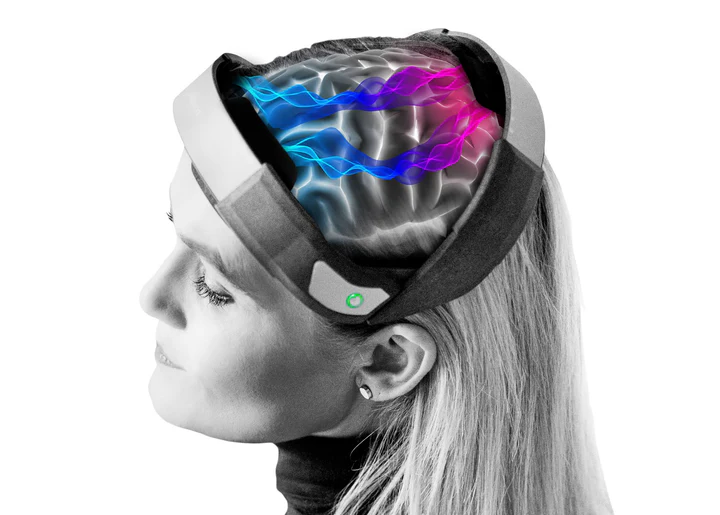
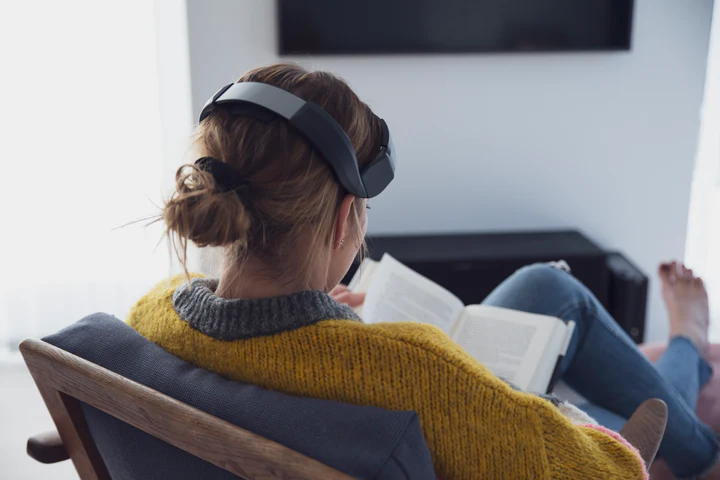
Safe and Effective for Home use
Our TDCS program for Depression
Transcranial Direct Current Stimulation is now an FDA approved treatment for Major Depression. Based on large scale randomized trials, TDCS has been shown to be effective and ready for home is because it also has an impressive safety record.
Patients have an in office visit to calibrate the unit, and learn about its operation. Our home treatment program requires a rental agreement and we monitor use. We will work with you to design a customized home program so you can get the most benefit from this therapy.
We are also combining this therapy with Spravato and ketamine treatment to maximize neuroplastic impact.
If interested, contact us here.
Stagg, Charlotte J., Andrea Antal, and Michael A. Nitsche. "Physiology of transcranial direct current stimulation." The journal of ECT 34.3 (2018): 144-152.
Reato, D., Salvador, R., Bikson, M., Opitz, A., Dmochowski, J., Miranda, P.C. (2019). Principles of Transcranial Direct Current Stimulation (tDCS): Introduction to the Biophysics of tDCS. In: Knotkova, H., Nitsche, M., Bikson, M., Woods, A. (eds) Practical Guide to Transcranial Direct Current Stimulation. Springer, Cham.
Jog, M.A., Anderson, C., Kubicki, A. et al. Transcranial direct current stimulation (TDCS) in depression induces structural plasticity. Sci Rep 13, 2841 (2023). https://doi.org/10.1038/s41598-023-29792-6
Kong S, Chen Y, Huang H, Yang W, Lyu D, Wang F, Huang Q, Zhang M, Chen S, Wei Z, Shi S, Fang Y, Hong W. Efficacy of transcranial direct current stimulation for treating anhedonia in patients with depression: A randomized, double-blind, sham-controlled clinical trial. J Affect Disord. 2024 Apr 1;350:264-273. doi: 10.1016/j.jad.2024.01.041. Epub 2024 Jan 15. PMID: 38232776.
Borrione L, Cavendish BA, Aparicio LVM, et al. Home-Use Transcranial Direct Current Stimulation for the Treatment of a Major Depressive Episode: A Randomized Clinical Trial. JAMA Psychiatry. 2024;81(4):329–337. doi:10.1001/jamapsychiatry.2023.4948
Woodham, R.D., Selvaraj, S., Lajmi, N. et al. Home-based transcranial direct current stimulation treatment for major depressive disorder: a fully remote phase 2 randomized sham-controlled trial. Nat Med 31, 87–95 (2025). https://doi.org/10.1038/s41591-024-03305-y.
Our TDCS program for Fibromyalgia
The use of the TDCS for the treatment of major depression is supported by a large body of literature. Evidence from large scale randomized trials and meta-analyses supports TDCS as a safe and effective adjunctive treatment for major depressive disorder (Jog 2023, Kong 2024). Benefits are seen in both clinical and home settings.
We offer patients this treatment for depression because of its safety and ease of use. Large scale trials of a home-based program showed dramatic impact of TDCS on major depression (Borrione 2024, Woodham 2025).
If interested, contact us here.
Caumo et al. 2022 Impact of Bifrontal Home-Based Transcranial Direct Current Stimulation in Pain Catastrophizing and Disability due to Pain in Fibromyalgia: A Randomized, Double-Blind Sham-Controlled Study
Caumo W et al. Efficacy of Home-Based Transcranial Direct Current Stimulation Over the Primary Motor Cortex and Dorsolateral Prefrontal Cortex in the Disability Due to Pain in Fibromyalgia: A Factorial Sham-Randomized Clinical Study. J Pain. 2024 Feb;25(2):376-392.
Brietzke AP, Zortea M, Carvalho F, Sanches PRS, Silva DPJ, Torres ILDS, et al. Large Treatment Effect With Extended Home-Based Transcranial Direct Current Stimulation Over Dorsolateral Prefrontal Cortex in Fibromyalgia: A Proof of Concept Sham-Randomized Clinical Study. J Pain. 2020. Jan-Feb;21(1–2):212–224
Silva et al. The effect of home-based transcranial direct current stimulation in cognitive performance in fibromyalgia: A randomized, double-blind sham-controlled trial. Front Hum Neurosci. 2022. Nov 24;16:992742.
Ahmed I, Mustafaoglu R, Memon AR, Zafeer R, Xiong H, Straudi S, Runge N. Comparative Effectiveness of Noninvasive Brain Stimulation for the Treatment of Pain, Fatigue, and Sleep Quality in Fibromyalgia. A Systematic Review With Network Meta-Analysis. Clin J Pain. 2025 May 1;41(5):e1282.
Lopes Alves R, Zortea M, Vicuña Serrano P, Laranjeira VDS, Franceschini Tocchetto B, Ramalho L, Fernanda da Silveira Alves C, Brugnera Tomedi R, Pereira de Almeida R, Machado Bruck S, Medeiros L, R S Sanches P, P Silva D Jr, Torres ILS, Fregni F, Caumo W. Modulation of neural networks and symptom correlated in fibromyalgia: A randomized double-blind multi-group explanatory clinical trial of home-based transcranial direct current stimulation. PLoS One. 2024 Nov 13;19(11):e0288830.
Our TDCS program for Depression :
References :
Stagg, Charlotte J., Andrea Antal, and Michael A. Nitsche. “Physiology of transcranial direct current stimulation.” The journal of ECT 34.3 (2018): 144-152. Reato, D., Salvador, R., Bikson, M., Opitz, A., Dmochowski, J., Miranda, P.C. (2019). Principles of Transcranial Direct Current Stimulation (tDCS): Introduction to the Biophysics of tDCS. In: Knotkova, H., Nitsche, M., Bikson, M., Woods, A. (eds) Practical Guide to Transcranial Direct Current Stimulation. Springer, Cham. https://doi.org/10.1007/978-3-319-95948-1_2 Jog, M.A., Anderson, C., Kubicki, A. et al. Transcranial direct current stimulation (TDCS) in depression induces structural plasticity. Sci Rep 13, 2841 (2023). https://doi.org/10.1038/s41598-023-29792-6
Our TDCS program for Depression :
References :
Caumo et al. 2022 Impact of Bifrontal Home-Based Transcranial Direct Current Stimulation in Pain Catastrophizing and Disability due to Pain in Fibromyalgia: A Randomized, Double-Blind Sham-Controlled Study
Caumo W et al. Efficacy of Home-Based Transcranial Direct Current Stimulation Over the Primary Motor Cortex and Dorsolateral Prefrontal Cortex in the Disability Due to Pain in Fibromyalgia: A Factorial Sham-Randomized Clinical Study. J Pain. 2024 Feb;25(2):376-392.
Brietzke AP, Zortea M, Carvalho F, Sanches PRS, Silva DPJ, Torres ILDS, et al. Large Treatment Effect With Extended Home-Based Transcranial Direct Current Stimulation Over Dorsolateral Prefrontal Cortex in Fibromyalgia: A Proof of Concept Sham-Randomized Clinical Study. J Pain. 2020. Jan-Feb;21(1–2):212–224
Silva et al. The effect of home-based transcranial direct current stimulation in cognitive performance in fibromyalgia: A randomized, double-blind sham-controlled trial. Front Hum Neurosci. 2022. Nov 24;16:992742.
Ahmed I, Mustafaoglu R, Memon AR, Zafeer R, Xiong H, Straudi S, Runge N. Comparative Effectiveness of Noninvasive Brain Stimulation for the Treatment of Pain, Fatigue, and Sleep Quality in Fibromyalgia. A Systematic Review With Network Meta-Analysis. Clin J Pain. 2025 May 1;41(5):e1282.
Lopes Alves R, Zortea M, Vicuña Serrano P, Laranjeira VDS, Franceschini Tocchetto B, Ramalho L, Fernanda da Silveira Alves C, Brugnera Tomedi R, Pereira de Almeida R, Machado Bruck S, Medeiros L, R S Sanches P, P Silva D Jr, Torres ILS, Fregni F, Caumo W. Modulation of neural networks and symptom correlated in fibromyalgia: A randomized double-blind multi-group explanatory clinical trial of home-based transcranial direct current stimulation. PLoS One. 2024 Nov 13;19(11):e0288830.
Frequently asked questions about TDCS
You will be responsible for payment for TDCS at the time of service. A discount is given for several treatments paid in advance.
Since there is no specific procedure billing code for this new treatment, it is not yet covered by most insurance plans.
If you wish to try to get reimbursed by your insurance company, we will provide you with documentation.
No, TDCS is not recommended for use during pregnancy, before the age of 18, for individuals with epilepsy, for individuals with metallic implants in their skull.
TDCS is a safe, painless treatment with minimal side effects. It has no adverse effects on memory or cognitive ability. Used appropriately, there is minimal risk and recorded serious adverse events using the headset we endorse. With excessive use there can be skin irritation, and there are certain possible mild side effects like headache which is self-limiting.
Trials to date have reported TDCS to be well tolerated and safe, with no major side effects when patients are carefully screened for relevant exclusions and stimulation is given within recommended parameters.
Although findings from some clinical trials have been mixed, multiple recent analyses combining results across different trials of TDCS for treating depression indicate TDCS is an effective treatment, although further research is needed to optimize its use.
TDCS uses a constant, low intensity, unidirectional electrical current delivered by electrodes placed on the scalp.
It is understood that TDCS works by modifying and correcting brain activity levels; specifically, by increasing brain activation in areas that tend to be underactive when people are depressed.
The main differences between these treatments are the type of energy, intensity, pattern of stimulation and the treatment method.
TMS and TDCS are both neurostimulation techniques that can modulate brain activity. TMS does this by applying a magnetic field to modulate brain activity, causing neurons to become either more or less excitable depending on the parameters applied (i.e., increase brain activation in areas that are underactive or reduce brain activation in areas that are overactive).
TDCS modulates brain activity by applying very mild electrical current to lower the threshold for neuronal signaling. When used to treat depression, TDCS specifically targets a brain area that is thought to be underactive.
TMS produces a stronger electrical current in the brain using a magnet positioned over the head. TMS can only be administered in a clinic, and has been shown to be effective for depression, anxiety and obsessive-compulsive disorder.
ECT involve strong electric currents, requires anesthesia and produces a seizure to produce therapeutic effects faster.
ECT generally requires fewer treatments, but it must be performed in hospital under general anesthesia. ECT may be used when a patient is too unwell to eat, drink or take medications, or when a patient is at high risk of self-harm or suicide.
An acute course of 4-6 weeks of daily treatments are usually recommended for therapeutic results.
The acute course is often followed by maintenance sessions which are recommended for people who experience a good response.
